

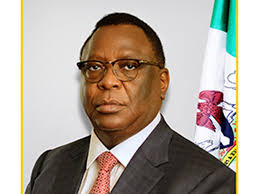
The Nigerian Content Development and Monitoring Board (NCDMB), Executive Secretary, Engr. Felix Omatsola Ogbe, has emphasized the need for industry stakeholders to work together to harness Nigeria’s energy resources and drive economic growth.
He stated this while delivering a keynote address at the 2026 ACFTA summit hosted by NCDMB, PETAN and legal Concierge themed Unlocking Africa’s Energy future through ACFTA , to discuss the application of the African Continental Free Trade Area (AFCFTA) in the oil and gas sector.
Ogbe who was represent by Dr. Abdulmalik Halilu, Director, Corporate Services, NCDMB, highlighted the importance of maximizing Nigeria’s energy potential, citing the country’s vast oil and gas reserves and renewable energy resources.
He stressed that collaborative efforts were crucial to achieving energy security, promoting local content development, and driving industrialization.
Ogbe noted that NCDMB is committed to supporting the growth of Nigeria’s energy sector through initiatives such as capacity building, technology transfer, and infrastructure development.
He called on industry players to take advantage of opportunities in the sector and contribute to the country’s economic development.
The Executive Secretary’s remarks underscore NCDMB’s commitment to promoting Nigeria’s energy sector growth and development. His address is expected to spark renewed discussions on how to unlock Nigeria’s energy potential and drive sustainable economic growth.
The summit brought together regulatory agencies, project promoters, financial institutions, and academia to shape AFCFTA implementation in Nigeria’s oil and gas sector, with the goal of achieving energy security and self-sufficiency for Africa.
He noted that Nigeria’s oil and gas industry has developed a framework for domesticating AFCFTA, anchored on opportunities identification, capacity development, and capacity exportation.
The country’s strengths in oil field services, refining capacity, and logistics infrastructure position it to benefit from preferential trade terms.
He noted that challenges remain, including compliance requirements for exporters and the need for unified standards and regulations.
The discussions focused on deepening collaboration, technology development, and institutionalizing measurements to evaluate AFCFTA’s impact on Africa’s balance of trade.
Key questions were raised, such as how Nigerian products can access Angolan markets, and how to designate Ghana’s Tema shipyard as a regional hub for vessel construction and repairs.
The summit brought together Industry leaders, policymakers, stakeholders ,regulatory agencies, project promoters, financial institutions, and academia to shape AFCFTA implementation in Nigeria’s oil and gas sector, with the goal of achieving energy security and self-sufficiency for Africa.