
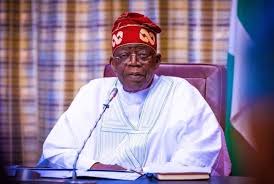
Within two years that President Tinubu became President of the country, Nigeria’s crude oil output has recorded modest improvement, hovering around 1.6 and 1.7 million barrels per- day, indicating a positive trend in the sector, thanks to efforts by the current administration to revive the sector, in the last two years .
Overall, the oil and gas sector has shown resilience and growth under President Bola Tinubu‘s administration, driven by a combination of policy reforms, increased investment, and improved production.
The very day he was sworn –in he proclaimed end to subsidy in the country.
Today, about half of the existing 256 petroleum product depots are currently in operation, the Nigerian Midstream and Downstream Petroleum Regulatory Authority (NMDPRA) has said.
The Africa Energy Bank was located in Nigeria with its headquarters in Abuja . It will be open for business before the end of the second quarter in 2025.
Seplat Energy completed the deal on the acquisition of Mobil Producing Nigeria Unlimited (MPNU) – renamed Seplat Energy Producing Nigeria Unlimited (SEPNU) from ExxonMobil in December 2024.
Oando Plc was also able to acquire Agip assets
The oil refining sub-sector has recorded significant expansion, with the Dangote Refinery commencing operations and boosting the sector’s growth. In Q4 2024, the oil refining sector posted a real GDP growth of 9.59%, its first quarterly growth in five years.
The oil and gas sector recorded an annual GDP expansion of 5.54% in 2024, marking a significant rebound from the 2.22% contraction witnessed in 2023.
The administration has introduced reforms and fiscal incentives to attract investments in the sector, including executive orders streamlining contracting processes and applying local content requirements without hindering investments.
The sector has seen increased participation from indigenous oil firms, which have contributed to the growth in oil production and refining capacity.
The administration launched the CNG Initiative to power transportation and reduce costs. This initiative aims to save over 2 trillion Naira monthly used for importing PMS and AGO, freeing up resources for healthcare and education. However the impact of this policy is yet to be significantly felt by Nigerians
The CNG initiative is expected to reduce transportation costs by approximately 60% and help curb inflation.
Two Foreign Direct Investment deals worth over half a billion dollars have been signed, demonstrating investor confidence in the sector. President Bola Tinubu’s administration signed some positive economic deals and investments in 2023 despite its grappling with economic challenges and a record-high inflation rate.
The administration announced reforms in May 2024 to address gaps in the Petroleum Industry Act, aiming to revitalize the sector.
Despite these achievements, some experts have raised concerns about the underperformance of state-owned refineries and entrenched corruption in the sector. The Dangote refinery has made positive contributions, but more work is needed to address these challenges